Teknic designs its business around the needs of OEMs, whose high-volume purchasing make quality and reliability far more critical than for companies selling mainly to end users. A failure rate that seems negligible to small buyers can look very different when multiplied across large annual orders.
For example, a product with a 1-in-1,000 annual failure rate might never fail for a customer buying only 10-100 units a year, and even a rare failure can be dismissed as a fluke. But an OEM purchasing 20,000 units annually would experience around 20 failures per year—unacceptable for their operations. This is why companies serving OEMs, like Teknic, must achieve quality levels that are orders of magnitude higher than those targeting small customers.


Teknic builds its products using specialized manufacturing cells controlled by interlocked production software that prevents skipped steps and blocks parts that fail in-line tests. Mechanical and software-based poka-yoke strategies are integrated throughout the design and assembly process, reducing reliance on human diligence and ensuring consistently high reliability.
For example, during motor core assembly, induction heaters only present housings once they reach the correct temperature—and retract them if they cool before use—so operators cannot accidentally assemble a faulty part. Each component must pass every step before moving on; if a required action isn't detected, such as applying thread-lock compound, the system locks out the next tool and alerts the operator. This ensures only qualified parts progress and makes identifying root causes straightforward.


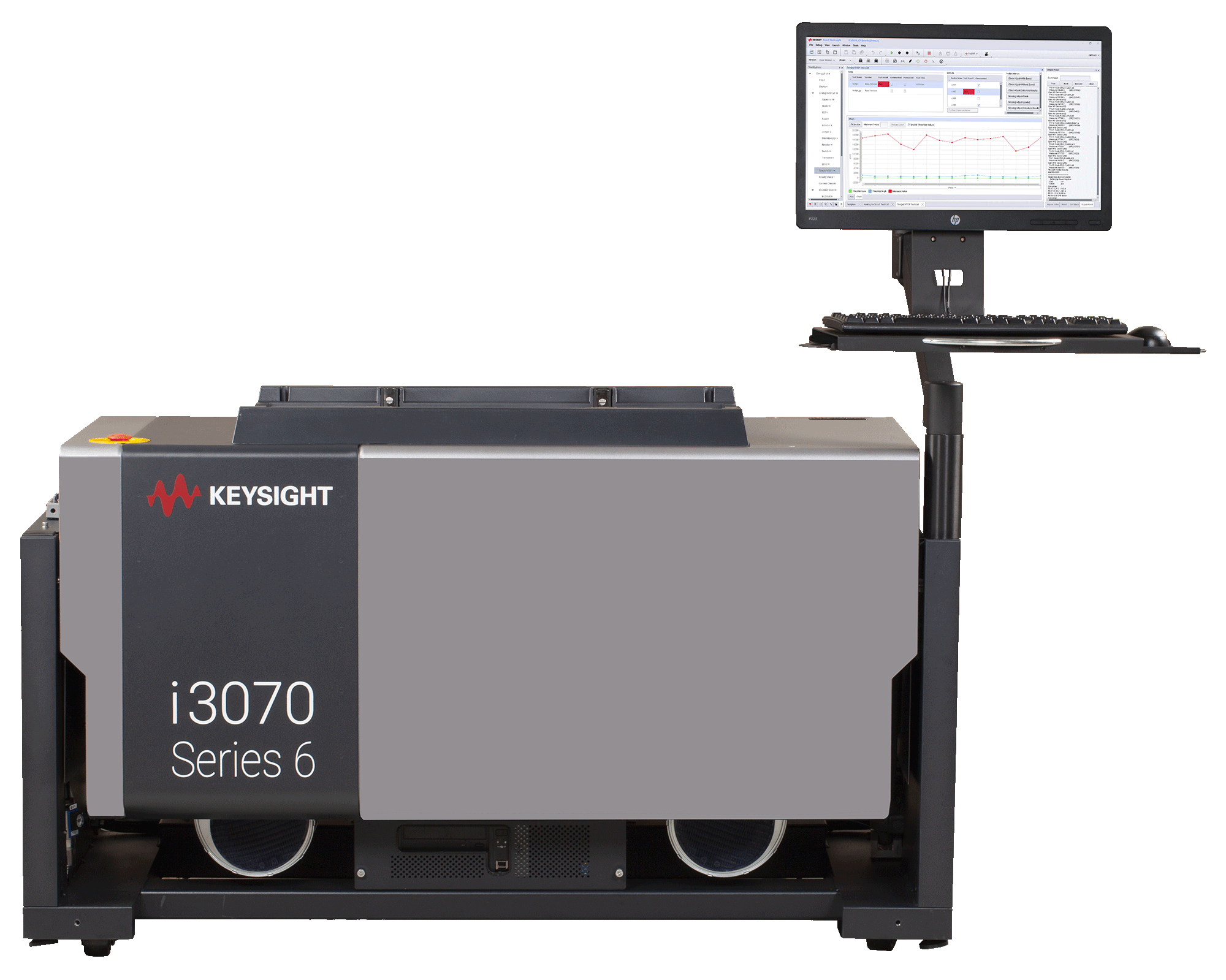
Teknic's manufacturing process incorporates multiple layers of testing to ensure exceptional product quality. Incoming components are inspected and barcoded for traceability; every mechanical and electrical part then undergoes extensive inline testing during assembly. Mechanical assemblies may pass through dozens of checkpoints, while electrical parts are verified with in-circuit testing to catch issues early. This approach maintains high quality while reducing waste and stabilizing lead times.
Beyond inline tests, Teknic stress-tests products to their full design limits—well beyond rated specifications—to guarantee long life in demanding applications. Every finished unit then receives a complete functional test before shipping; if it doesn't pass, the system will not generate its label or shipping documents. This ensures that only fully verified products reach customers.


Teknic uses a platform-based design approach that supports incremental innovation while maintaining backward compatibility. New products are built on existing technologies and reuse many established components, limiting the number of unique parts that must be supported. This strategy helps preserve long-term parts availability, enables stable pricing, and allows Teknic to maintain short, predictable lead times over many years.
Because multiple products and generations share common subassemblies, these components are produced in consistently high volume even when individual models run at low volume. This removes pressure to obsolete older products and gives OEMs flexibility to either upgrade systems or continue using the same Teknic parts throughout a machine's full production life.


Despite ongoing material cost pressures faced by all manufacturers, Teknic has raised prices only twice in more than 30 years—both due to major global supply chain disruptions and tariffs. This long-term pricing stability is made possible by continuous improvements in manufacturing efficiency, streamlined internal systems, and a focus on building high-quality products that minimize returns and warranty costs.
In addition, steadily increasing sales volume allows Teknic to absorb many raw material cost increases without compromising financial stability. By focusing on efficient, high-volume platform manufacturing rather than frequent redesigns or forced upgrades, Teknic provides customers with predictable costs over long time horizons, which is especially critical for OEMs planning multi-year machine production.
Teknic's stable lead times are built on manufacturing capacity, substantial raw material inventory, and diversified supply sources. From 1994 to 2021, Teknic maintained a consistent four-week lead time. While global supply chain disruptions after COVID temporarily extended lead times to 6-15 weeks, Teknic's strategies kept delays well below industry norms while still meeting record demand.
Key practices include testing components immediately upon arrival to ensure inventory quality, using common components across multiple products to reduce part complexity, and building and stocking high-volume subassemblies shared across entire platforms. These measures reduce manufacturing risk and allow Teknic to respond quickly to demand shifts between product variants, helping maintain predictable delivery even during periods of disruption.
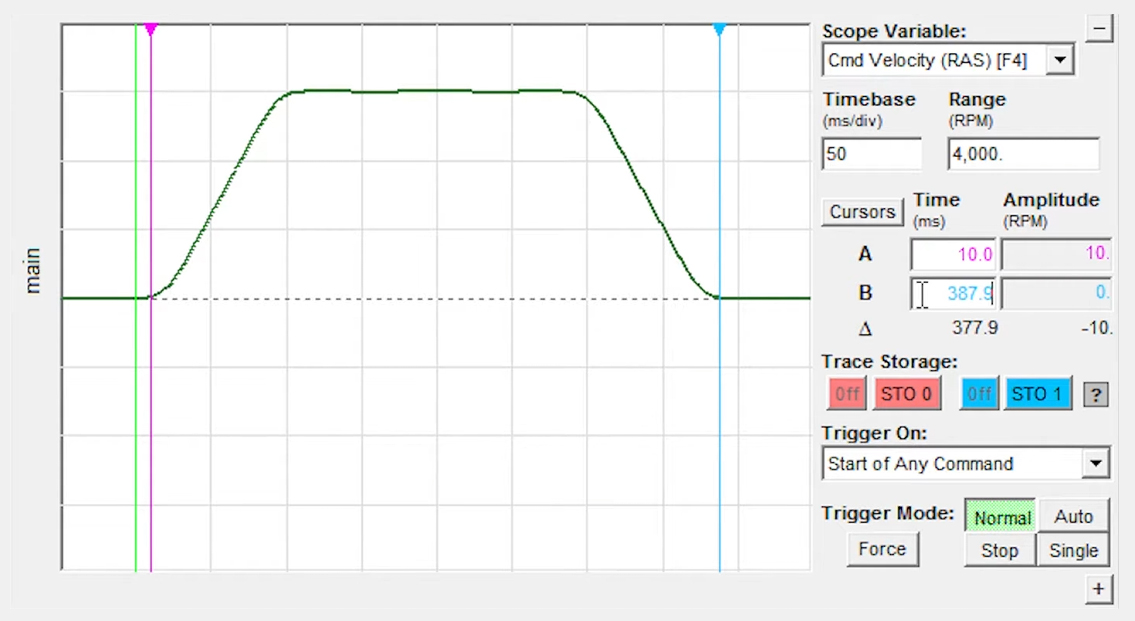
We will simulate every motion axis using proprietary simulation software before making any recommendations. This ensures that your actual results will be within a few percent of the desired performance. We don't make guesses or over-design just to be safe (that comes at a cost). We strive to get it right the first time.
We can often use our simulation software to suggest design improvements, as a result of carefully interviewing you about your application objectives. Many times, these suggestions are small changes that save significant money while still meeting your objectives, or they are improvements that increase performance and reliability without adding cost.


After completing the simulations, and working together for value engineering, Teknic will recommend best-in-class, third party component vendors (where appropriate and where OEMs don't already have established or preferred vendors.)
See below for several resources Teknic has created for third-party components:
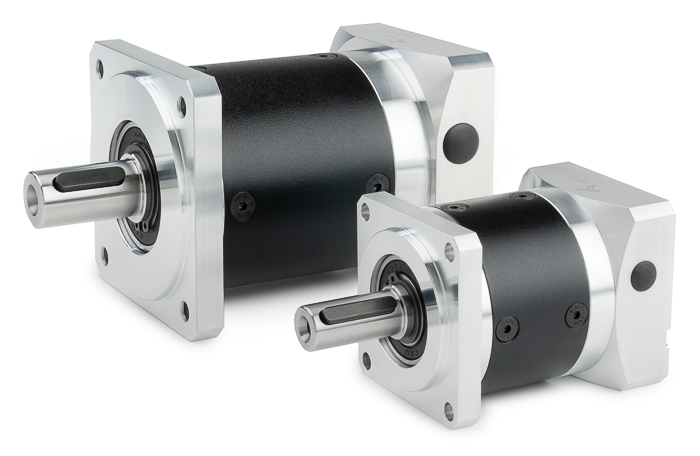
Selecting the Best Power Supply for your Application Securing Mechanics to Motor Shafts How to Choose the Best Linear Actuator for your Application What is a Planetary Gearbox?

Teknic understands that getting machines to market quickly offers a competitive advantage. To help speed machine development, Teknic offers OEMs the following:
1. Remote support (in most cases, the same day) - Teknic engineers can virtually dial into your machine to help optimize the servo system for each axis.
2. Software for prototyping, testing, and diagnostic purposes - Teknic's software is designed to support early and rapid prototyping, and is easy enough to use that it doesn't require a software or motion control expert. For example, mechanical engineers can optimize servo motion on an axis in as little as 15 minutes.
3. On-site support when necessary - Teknic engineers will visit OEMs on-site free of charge to optimize the motion system. We come prepared to work and we're there to help you solve problems, prevent problems, and maximize motion performance.


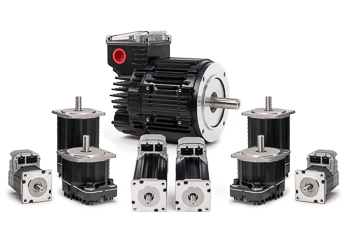
Proper integration is as important as choosing the optimal components. Having worked on thousands of different applications in various industries, Teknic's engineers have extensive practical experience to help ensure a successful integration. Our consulting services include:

Looking for a servo integration service not on this list? Call 585-784-7454 or Contact Us